Oct 27, 2026
Content
Benzoyl chlorides are acyl chlorides built on a benzene ring. The parent compound, benzoyl chloride (C6H5COCl, CAS 98-88-4), is a colorless, fuming liquid with a sharp, irritating smell. Replace one or more hydrogens on the ring with groups such as nitro, methoxy, chloro, or methyl, and you get the wider family of substituted benzoyl chlorides. All of them share the same reactive carbonyl-chlorine group, which is why they are so useful.
Chemists reach for benzoyl chlorides when they need to attach a benzoyl group (PhCO–) to another molecule. This is called benzoylation. The reaction is fast, usually goes to completion, and works on alcohols, phenols, and amines. That makes benzoyl chlorides a go-to reagent for making esters, amides, protecting groups, dyes, pharmaceutical intermediates, and polymer additives.
The same reactivity that makes them useful also makes them tricky. Benzoyl chlorides react with water, including moisture in the air, so good results depend on dry conditions and careful handling.
Physical form matters in daily lab work. Some benzoyl chlorides are liquids you can measure by syringe, while others are solids that must be weighed quickly. The table below gives approximate values to help you compare the most common ones.
| Compound | Typical Form at Room Temperature | Approx. Melting / Boiling Point | Common Use |
| Benzoyl chloride | Colorless liquid | mp -1 °C / bp 197 °C | General benzoylation, esters, amides |
| 4-Nitrobenzoyl chloride | Yellow solid | mp 72-74 °C | Crystalline derivatives, pharma intermediates |
| 3,5-Dinitrobenzoyl chloride | Yellow to tan solid | mp 68-69 °C | Identifying alcohols and amines |
| 4-Methoxybenzoyl chloride | Low-melting solid or liquid | mp about 22 °C | Electron-rich ester and amide building blocks |
| 4-Chlorobenzoyl chloride | Liquid or low-melting solid | mp 11-14 °C / bp about 222 °C | Agrochemical and drug intermediates |
When benzoyl chloride meets an alcohol, it forms a benzoate ester and releases hydrogen chloride. A base such as pyridine or triethylamine is normally added to soak up the acid. Pyridine can also speed up the reaction by forming a more reactive acylpyridinium intermediate. For hindered alcohols, a small amount of DMAP (about 5 mol%) often makes a big difference.
Primary and secondary amines react with benzoyl chlorides very quickly, often within minutes at 0 °C. Two equivalents of amine, or one equivalent plus a tertiary amine base, are needed because the HCl by-product would otherwise protonate the starting amine and stop the reaction.
This classic approach uses a two-phase system: the amine or alcohol sits in an organic solvent, while aqueous sodium hydroxide neutralizes the acid. It is simple and cheap, and it works well for robust substrates. Keep the temperature low and add the benzoyl chloride slowly, because some of it will always be lost to hydrolysis.
With a Lewis acid such as aluminum chloride, benzoyl chlorides acylate aromatic rings to give benzophenones. Unlike alkylation, acylation stops after one substitution because the ketone product deactivates the ring, which gives cleaner products.
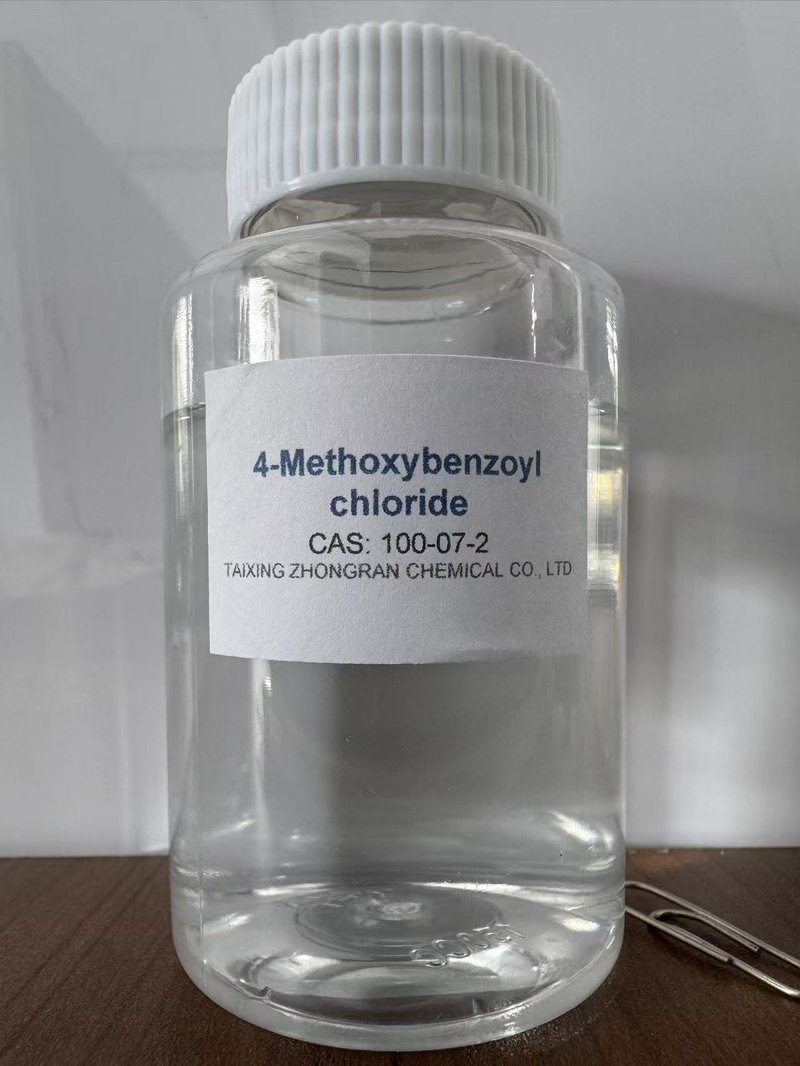
Ring substituents change both reactivity and the properties of the product. Electron-withdrawing groups such as nitro make the carbonyl carbon more electrophilic, so those benzoyl chlorides react faster and also hydrolyze faster. Electron-donating groups such as methoxy slow things down slightly, which can help when you want better selectivity.
Most failed benzoylations come down to water, temperature, or stoichiometry. The following routine avoids the usual problems.
Because benzoyl chlorides hydrolyze to benzoic acid and hydrochloric acid, storage conditions directly affect purity. Keep containers tightly closed with PTFE-lined caps, store them in a cool, dry, well-ventilated place, and keep them away from water, alcohols, amines, strong bases, and oxidizers. For long-term storage, flushing the headspace with nitrogen or argon helps a lot. Avoid metal containers and lids that can corrode from traces of HCl.
A few simple signs tell you when a bottle has degraded. White crystals around the cap or in the liquid are usually benzoic acid. Fuming when opened, a cloudy appearance, or a sharper acidic smell than usual also point to moisture damage. IR spectroscopy gives a quick confirmation: the acid chloride carbonyl absorbs near 1770 cm-1, while benzoic acid appears lower, around 1690 cm-1. If the material is only mildly degraded, distillation under reduced pressure can restore it, though for small amounts buying fresh reagent is often easier.
Benzoyl chloride is corrosive, a strong lachrymator (it makes eyes water), and harmful if inhaled. It can burn skin and eyes, and its vapor irritates the respiratory tract. Always check the current safety data sheet for the specific compound before you start.
Even experienced chemists run into trouble with acid chlorides. This table lists the most frequent issues and what to try.
| Problem | Likely Cause | Fix |
| Low yield | Reagent hydrolyzed by moisture | Use fresh reagent and dry solvents |
| Benzoic acid in product | Excess reagent or water in system | Wash with sodium bicarbonate or dilute NaOH |
| Reaction stalls | Amine protonated by HCl or hindered substrate | Add more base or a catalytic amount of DMAP |
| Dark or messy mixture | Reaction too hot or added too fast | Cool to 0 °C and add dropwise |
| Double acylation | Too much reagent with a diamine or polyol | Limit to 1 equivalent and add slowly |
Not all supplies are equal, and the label purity does not always reflect what is in the bottle after months of storage. When sourcing benzoyl chlorides, ask for a certificate of analysis that lists assay by GC or titration, plus limits for benzoic acid and free chlorine-containing impurities. Check the packaging type as well: amber glass with a PTFE-lined cap or a sealed, lined drum helps keep moisture out.
Buy only what you will use within a reasonable time, since smaller bottles reduce the number of times a container is opened. For substituted benzoyl chlorides, confirm the isomer (for example, 2-, 3-, or 4-substituted) by CAS number, because similar names are easy to confuse. Finally, make sure the supplier provides a current safety data sheet and clear shipping information, as these materials are regulated as corrosive goods in transport.
Benzoyl chlorides are some of the most dependable acylating reagents available. They are fast, efficient, and flexible, but they reward careful handling. Keep them dry, add them slowly and cold, choose the derivative that suits your goal, and respect their corrosive nature. With those habits in place, benzoyl chlorides will give you clean esters and amides with far less frustration.

jessica@zrtxchem.com
yufuli@zrtxchem.com
pengzhang@zrtxchem.com

+86-18013456125
+86-13951149388
+86-18252654234

Zhongran Foreign Trade Building, 68 Jiangping Middle Road, Taixing City, Jiangsu Province, China




 English
 Español
 日本語