Nov 24, 2026
Content
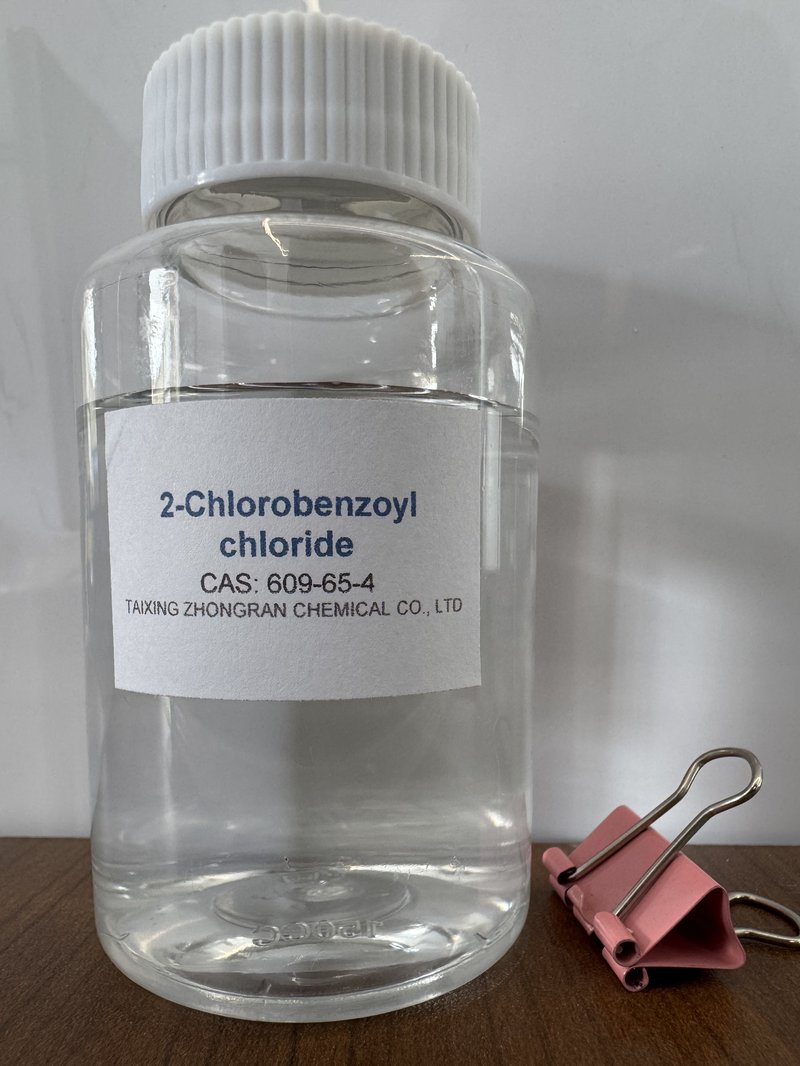
Walk into any fine chemical warehouse and you will find a small group of acid chlorides doing most of the heavy lifting. 2-Chlorobenzoyl chloride is one of them. It is the kind of building block that rarely gets top billing on a label, yet it sits quietly behind a long list of pharmaceuticals, crop protection actives and colourants. Over the years we have supplied this material by the drum and by the tonne, and the questions we get from buyers are remarkably consistent: what exactly is it, how does it behave, where does it go, and how should it be stored once it lands in your plant? This article answers those questions in plain language.
2-Chlorobenzoyl chloride, also written as o-chlorobenzoyl chloride or 2-chlorobenzenecarbonyl chloride, carries the molecular formula C7H4Cl2O and the CAS number 609-65-4. It belongs to the aromatic acid chloride family, which means the molecule combines two very different personalities: a benzene ring that is stable and easy to handle, and a carbonyl chloride group that is hungry for anything nucleophilic.
In appearance it is a colourless to pale yellow liquid with a sharp, pungent odour. That smell is a warning, not a flaw. Acid chlorides of this type are lachrymators, and even brief exposure to vapour will make your eyes water. Physically, the compound is heavier than water, dissolves readily in toluene, dichloromethane, chloroform and ether, and reacts immediately with water to release hydrogen chloride and 2-chlorobenzoic acid.
What makes the 2-chloro isomer commercially valuable is the position of the chlorine on the ring. Sitting next to the carbonyl group, it influences both the electronics and the sterics of every downstream reaction, which is precisely why formulators choose it over the para isomer when they need that specific substitution pattern.
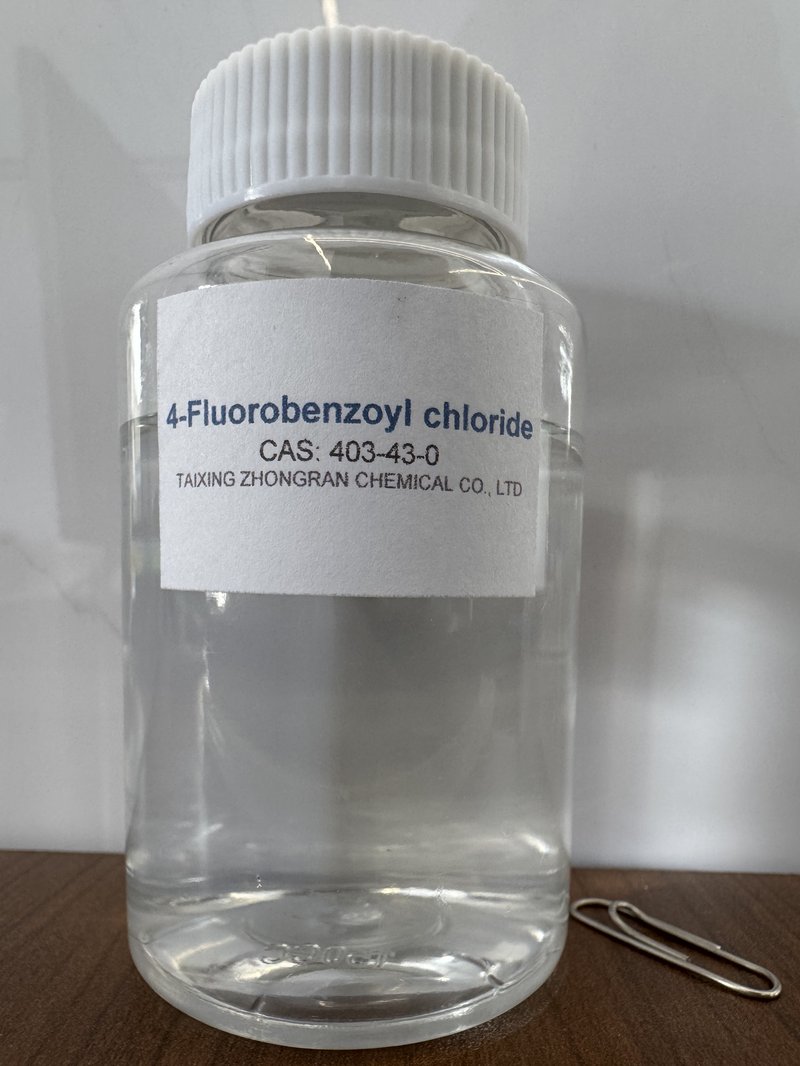
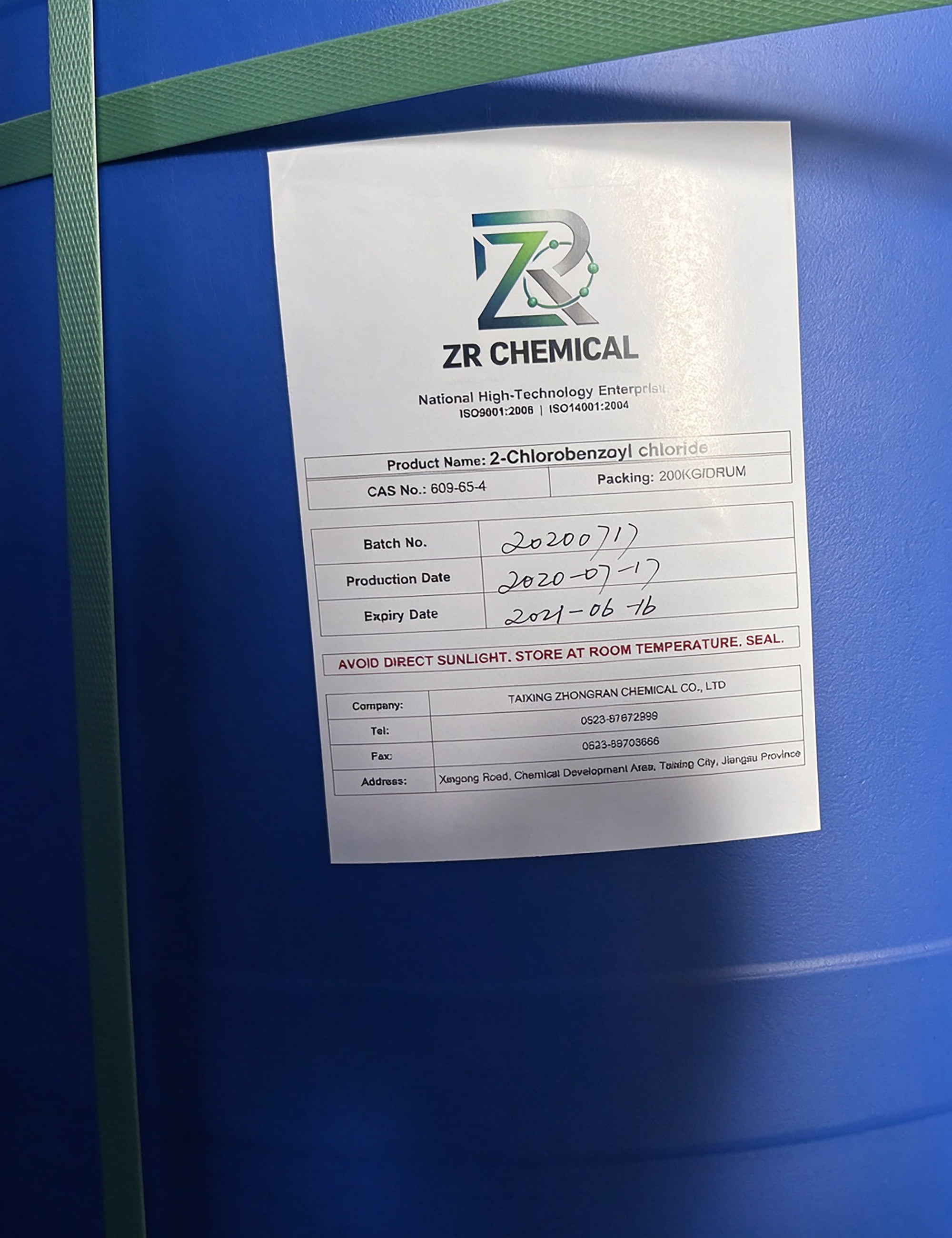 2-Chlorobenzoyl Chloride Aromatic Acyl Chloride IntermediateOrtho-chlorine placement affects downstream reaction electronics and sterics, making this ≥99% pure intermediate relevant where that substitution pattern is required.View Product →
The table below summarises the values most often requested on a specification sheet. Treat them as typical figures for commercial material rather than absolute constants, since small differences arise between producers and analytical methods.
| Property | Typical value |
|---|---|
| Molecular formula | C7H4Cl2O |
| Molecular weight | 175.01 g/mol |
| Appearance | Colourless to pale yellow liquid |
| Boiling point | Approximately 236–238 °C |
| Melting point | Around -1 °C |
| Density | About 1.40 g/cm³ at 25 °C |
| Solubility | Miscible with toluene, ether, chloroform; decomposes in water |
| Reactivity | Hydrolyses rapidly; reacts with alcohols, amines, bases |
Commercially, 2-chlorobenzoyl chloride is produced by converting 2-chlorobenzoic acid into the corresponding acid chloride. Three reagent systems dominate industrial practice: thionyl chloride, phosgene and phosphorus trichloride or phosphorus oxychloride. Thionyl chloride remains the most common choice for mid-sized plants because the by-products, sulphur dioxide and hydrogen chloride, are gases that leave the reaction mass easily, pushing the equilibrium towards the product.
The crude material is then purified by vacuum distillation. This step matters more than it might appear, because residual free acid and coloured impurities carry straight through into the customer's acylation reaction and can affect both yield and the colour of the final product. On our lines, distillation cuts are monitored by gas chromatography, and the heart cut is what gets drummed. A well-run process delivers a water-white to pale yellow liquid with an assay comfortably above 99 percent.
Because the acid chloride group reacts quickly and cleanly with amines, alcohols and aromatic rings, 2-chlorobenzoyl chloride turns up in several quite different downstream industries. The sections below cover the four that matter most.
This is the largest single outlet. Medicinal chemists use the compound to install a 2-chlorobenzoyl group onto an amine or hydroxyl, forming amides and esters that serve as advanced intermediates for antihistamines, anti-inflammatory agents and antiviral candidates. The reaction is usually run under Schotten–Baumann conditions, with the acid chloride added slowly to a cooled mixture of the substrate and a base. The mild aromatic chlorine also provides a useful handle for later palladium-catalysed coupling steps. Our pharmaceutical application pages list the intermediates we routinely pair with this chemistry.
In crop protection, the same acylation chemistry builds the backbone of numerous herbicides, insecticides and fungicides. The 2-chloro substitution pattern appears repeatedly in actives targeting grassy weeds and in several insecticidal families, where the benzoyl fragment contributes to both binding and metabolic stability. Production campaigns in this sector tend to be large and seasonal, so a supplier who can hold consistent quality across multiple batches is worth more than one who wins on a single quotation. More detail on the sector is collected in our agrochemical intermediates overview.
Dye manufacturers use 2-chlorobenzoyl chloride to benzoylate amino groups on dye intermediates, a step that modifies shade, substantivity and light fastness. It also appears in routes to 2-chlorobenzophenone and related ketones, which are themselves precursors in colourant and UV-absorber chemistry. In these applications colour of the raw material matters, so buyers typically specify an APHA value alongside the assay.
Beyond the big three, the compound serves in polymer chemistry as a precursor to 2-chlorobenzoyl peroxide, a radical initiator, and in the preparation of fine organic reagents through Friedel–Crafts acylation and Grignard addition. Volumes here are smaller, but the technical requirements are often tighter.
2-Chlorobenzoyl chloride is corrosive and moisture sensitive, and it deserves the same respect you would give any reactive acid chloride. A few practical points we share with every shipment:
Under proper storage the product remains stable for extended periods. Discolouration over time usually signals slow hydrolysis, which shows up as a rising free acid value rather than a drop in assay.
Because the material is an intermediate rather than an end product, the purchase decision usually rests on documentation as much as on price. A complete certificate of analysis should report assay by gas chromatography, free 2-chlorobenzoic acid content, moisture, colour and any residual solvent relevant to your process. Ask for the analytical method as well, so your own laboratory can cross-check on receipt.
Packaging matters too. Standard export packing is 250 kg net in steel or plastic drums, with ISO tanks available for larger campaigns. If you need the material in a specific solvent or at a particular assay window, say so early, because blending and distillation schedules are set well in advance.
Buyers often compare the 2-chloro product against neighbouring isomers during development. If your route needs a different substitution pattern, the
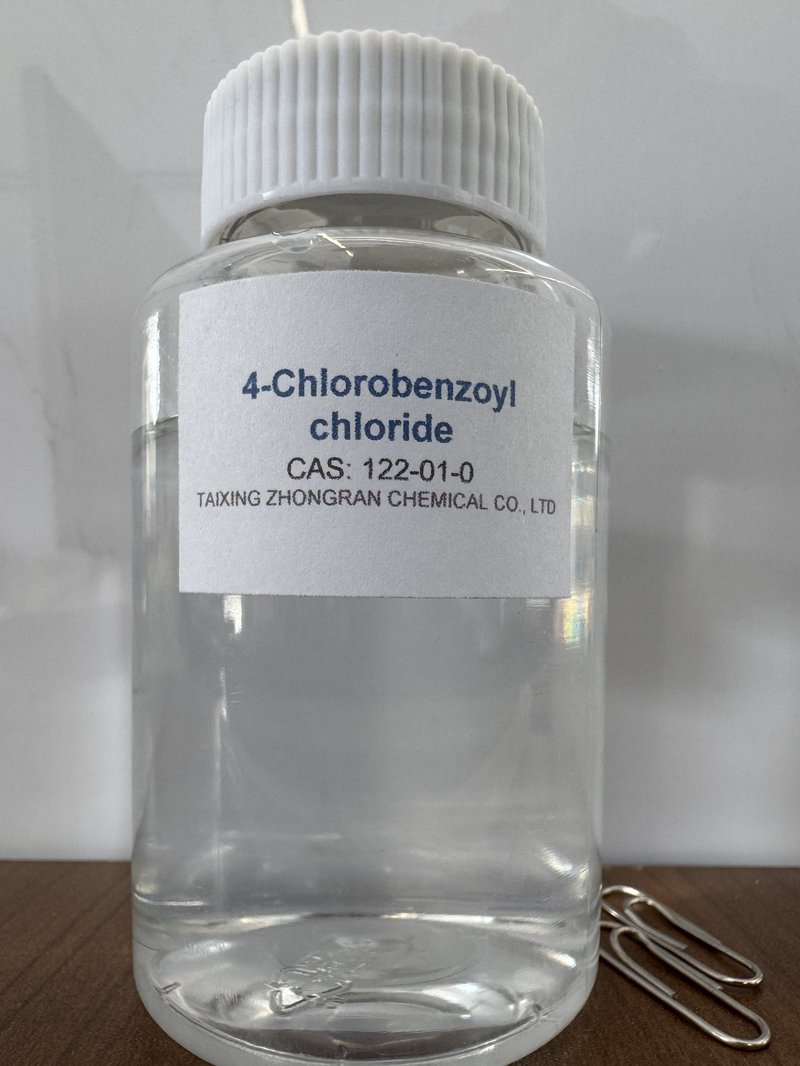
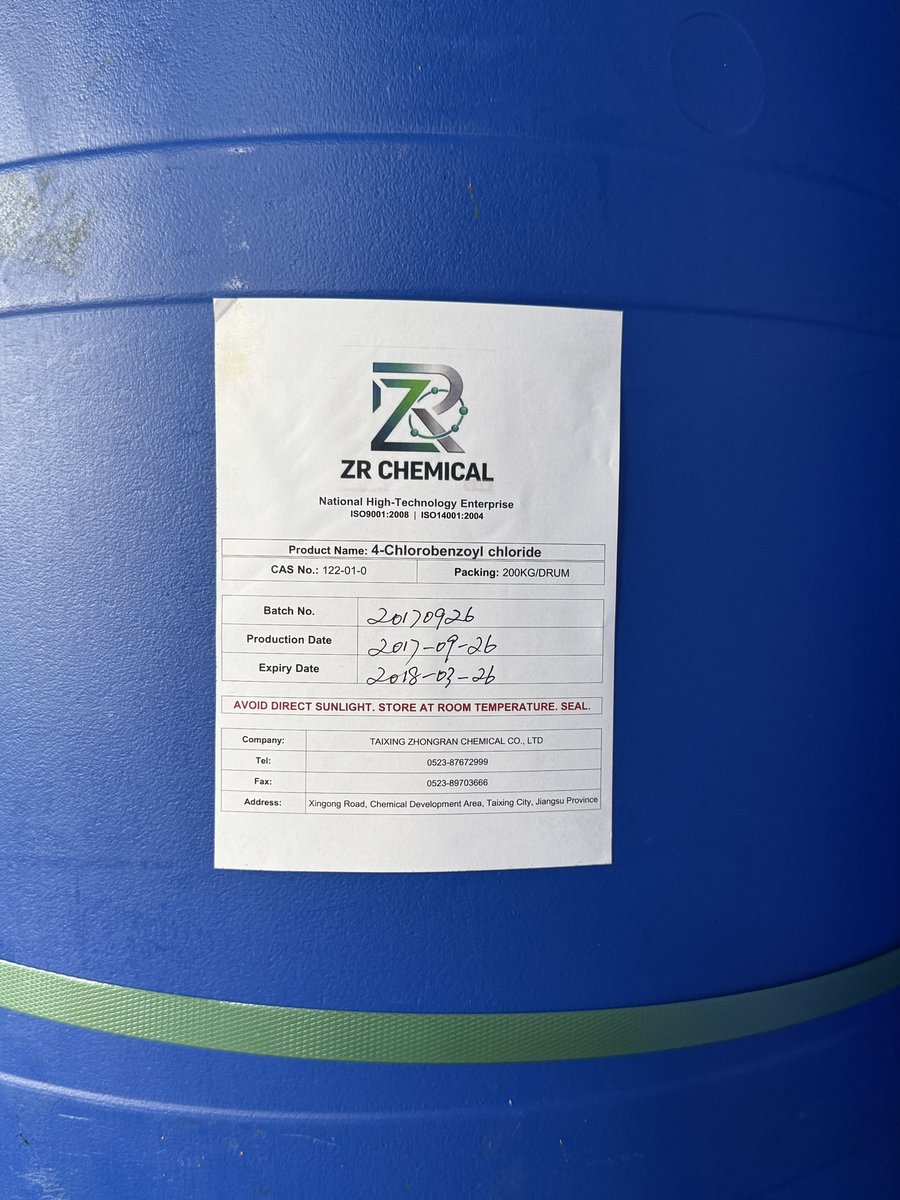 4-Chlorobenzoyl Chloride Reactive Aromatic Acylating AgentThe para-chlorine raises acylating reactivity, offering a neighbouring isomer for routes that need p-chlorobenzoyl derivatives rather than the 2-chloro pattern.View Product →
may fit better, and where fluorine chemistry is preferred, the
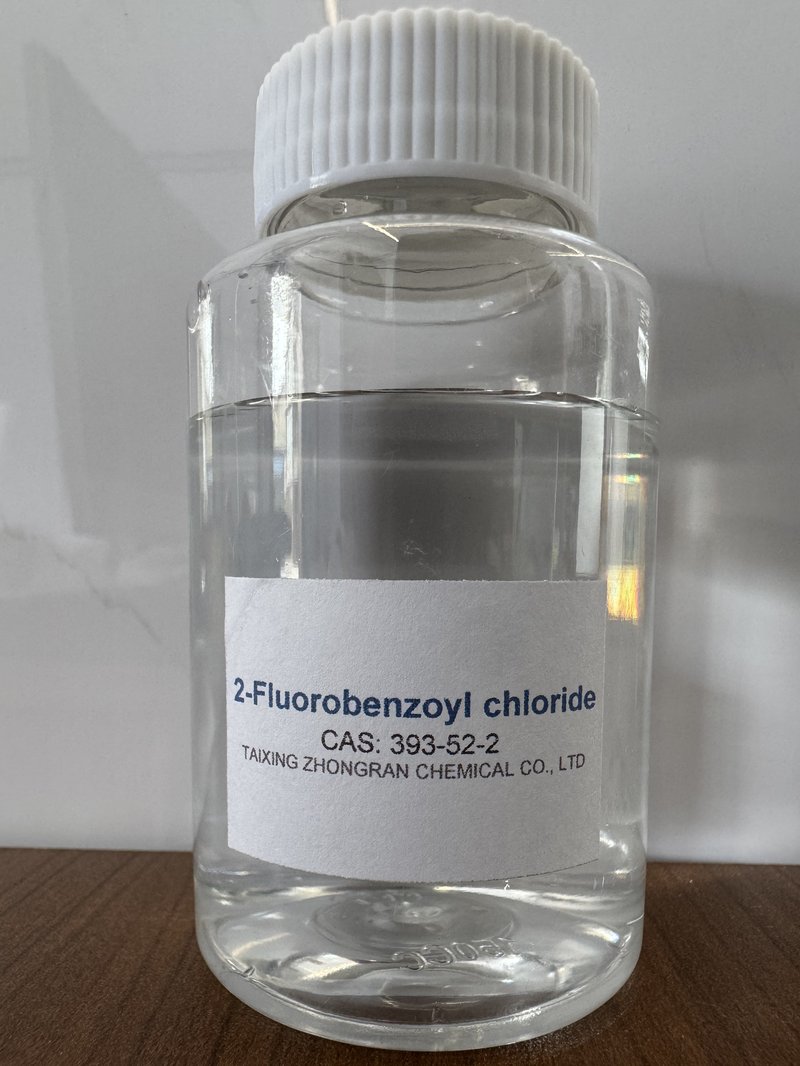
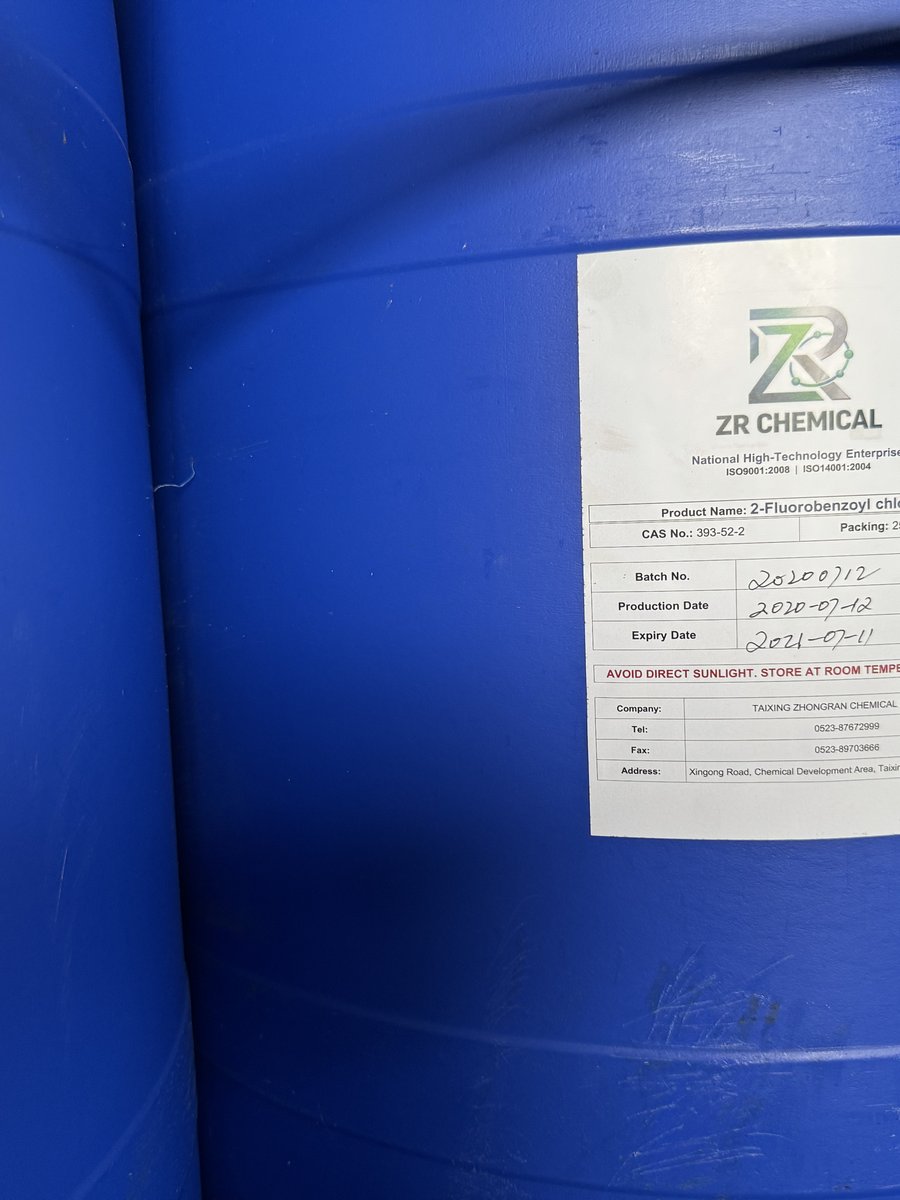 2-Fluorobenzoyl Chloride Fluorinated Aromatic Acyl ChlorideOrtho fluorine strengthens acyl chloride electrophilicity while steric effects moderate reactivity, suiting fluorinated acylation where sensitive groups and controlled reactions matter.View Product →
offers a useful comparison in both reactivity and price.
As a manufacturer exporting directly from our own plants, we issue a certificate of analysis and in-house HPLC or GC reports with every order, and we are happy to discuss specifications before a purchase order is raised rather than afterwards.
2-Chlorobenzoyl chloride will never be the headline ingredient in a catalogue, but it is the sort of dependable intermediate that keeps a production line running. Get the specification right, respect its reactivity, and it will reward you with clean acylation chemistry batch after batch. If you are working on a route that needs this building block and want to compare notes on grades, packaging or documentation, our technical team is always glad to help.

jessica@zrtxchem.com
yufuli@zrtxchem.com
pengzhang@zrtxchem.com

+86-18013456125
+86-13951149388
+86-18252654234

Zhongran Foreign Trade Building, 68 Jiangping Middle Road, Taixing City, Jiangsu Province, China




 English
 Español
 日本語