Nov 12, 2026
Content
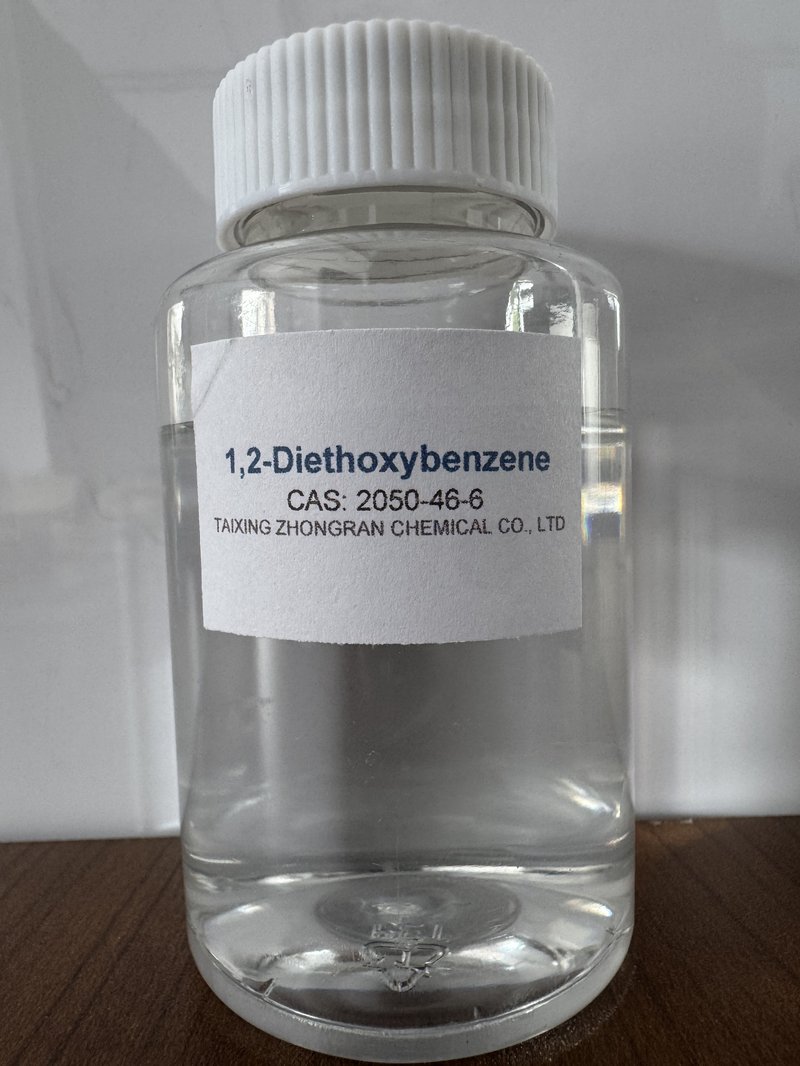
Some intermediates announce themselves. 1,2-Diethoxybenzene does not. It arrives as a clear, faintly aromatic liquid, sits quietly on a shelf, and then does one very specific job: it puts a pair of ethyl groups exactly where two reactive hydroxyls used to be.
If you have ever worked with catechol, you already know why that matters. The two adjacent OH groups oxidize readily, hydrogen-bond with each other, and make purification more interesting than anyone would like. Converting both of them into ethyl ethers gives you a stable, easily handled aromatic that can be carried through several steps of a route before the catechol is unmasked again. That single piece of chemistry is behind most of the enquiries we receive for this compound, and after more than two decades of making phenol ethers, we have seen it solve a lot of different problems.
1,2-Diethoxybenzene, CAS 2050-46-6, is the diethyl ether of catechol (benzene-1,2-diol). Two ethoxy groups sit on neighbouring ring carbons, which gives the molecule a compact, symmetrical shape and a molecular formula of C10H14O2 with a molecular weight of 166.22. In catalogues and old literature you will also meet it as catechol diethyl ether, o-diethoxybenzene, or benzene-1,2-diethoxy-.
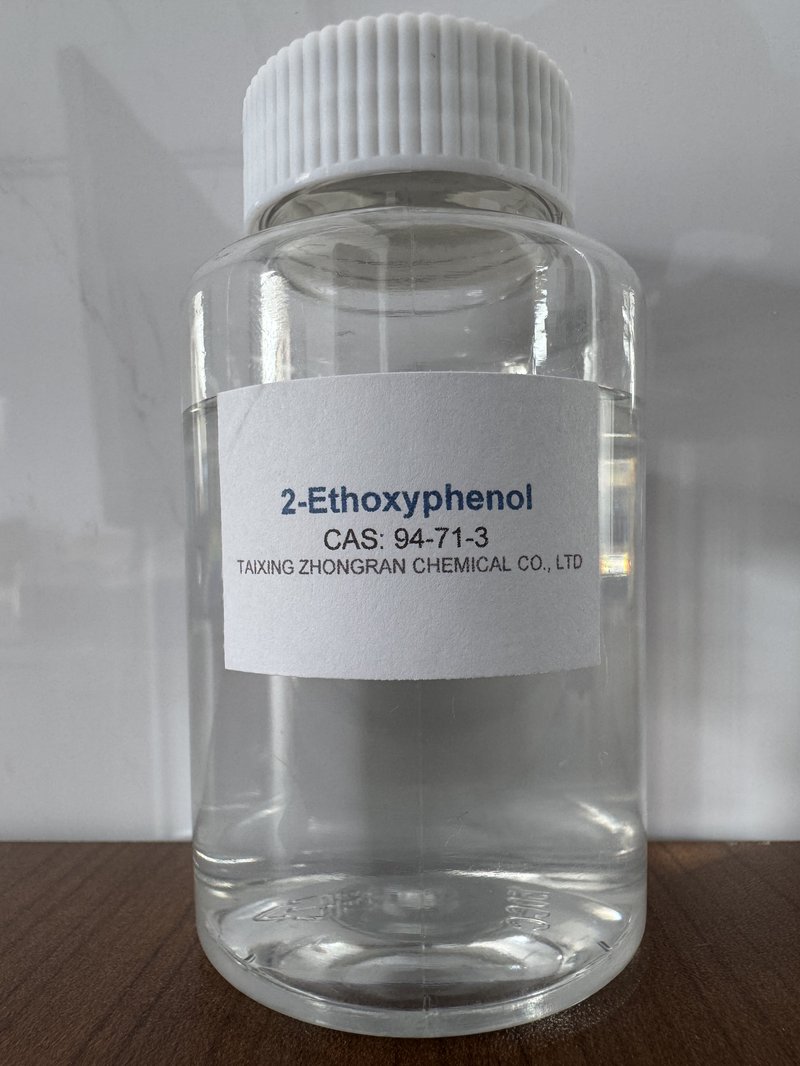
Chemically it belongs to the phenol ether family, sitting beside veratrole (the dimethyl analogue) and 2-ethoxyphenol (the monoethyl derivative). That family resemblance is useful when you are choosing a protecting group: the ethyl version is slightly more lipophilic and a little bulkier than veratrole, which can shift solubility and chromatographic behaviour in ways that matter during scale-up. The ethyl groups also come off under the same reagent conditions chemists already use for methyl ethers, so swapping one for the other is usually a short trial rather than a redesign.
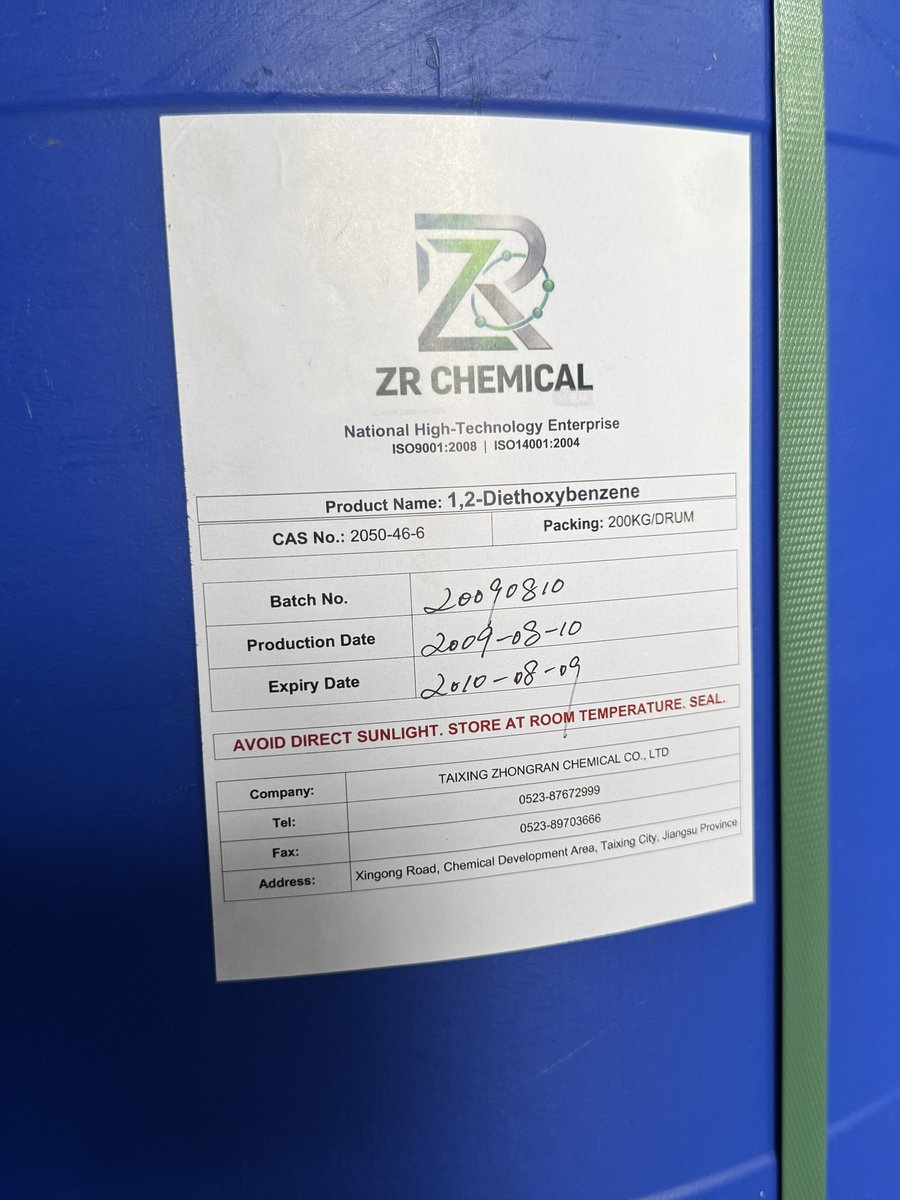 1,2-Diethoxybenzene for Catechol Protection and Fine ChemicalsA stable, soluble diethyl catechol ether with ≥99.0% purity, useful when comparing ethyl, methyl, and monoethyl protecting-group options during scale-up.View Product →
Most of what you need to plan a reaction or a storage area fits in one small table. The numbers below are typical values; the certificate of analysis for the batch in front of you always takes precedence.
| Property | Typical value |
|---|---|
| CAS number | 2050-46-6 |
| Molecular formula | C10H14O2 |
| Molecular weight | 166.22 g/mol |
| Appearance | Clear, colourless to pale yellow liquid |
| Boiling point | Approximately 218-220 °C at atmospheric pressure |
| Density | About 1.00 g/cm³ at 20 °C |
| Solubility | Low in water; miscible with ethanol, toluene, dichloromethane and most common organic solvents |
| Typical assay | 98% or higher by GC |
The practical takeaway is that this is an easy material to live with: it is a liquid at room temperature, it dissolves in the solvents most medicinal and process chemists reach for first, and it does not demand elaborate handling equipment. What it does demand is respect for strong acids and strong oxidizers, for reasons covered below.
On the manufacturing side, the classic route is a Williamson-type etherification: catechol is treated with ethyl bromide or diethyl sulfate in the presence of a base, often under phase-transfer conditions to keep an otherwise sluggish two-phase mixture moving. The crude product is washed, dried and fractionated under reduced pressure. It is straightforward chemistry, but the distillation cut matters, because the mono-substituted ether is the impurity you will most often see in a specification.
In downstream chemistry, the ring is electron-rich. The two ethoxy groups are ortho- and para-directing, so electrophilic substitution such as nitration, bromination or formylation proceeds readily, usually with clear regiochemical preferences set by steric crowding at the 1- and 2-positions. That same electron richness is why the compound can darken on prolonged exposure to air and light, and why we recommend keeping reaction temperatures sensible and work-ups prompt. Under strongly acidic conditions, the ether links can be cleaved back to catechol, so acidic deprotection is a tool, not an accident waiting to happen.
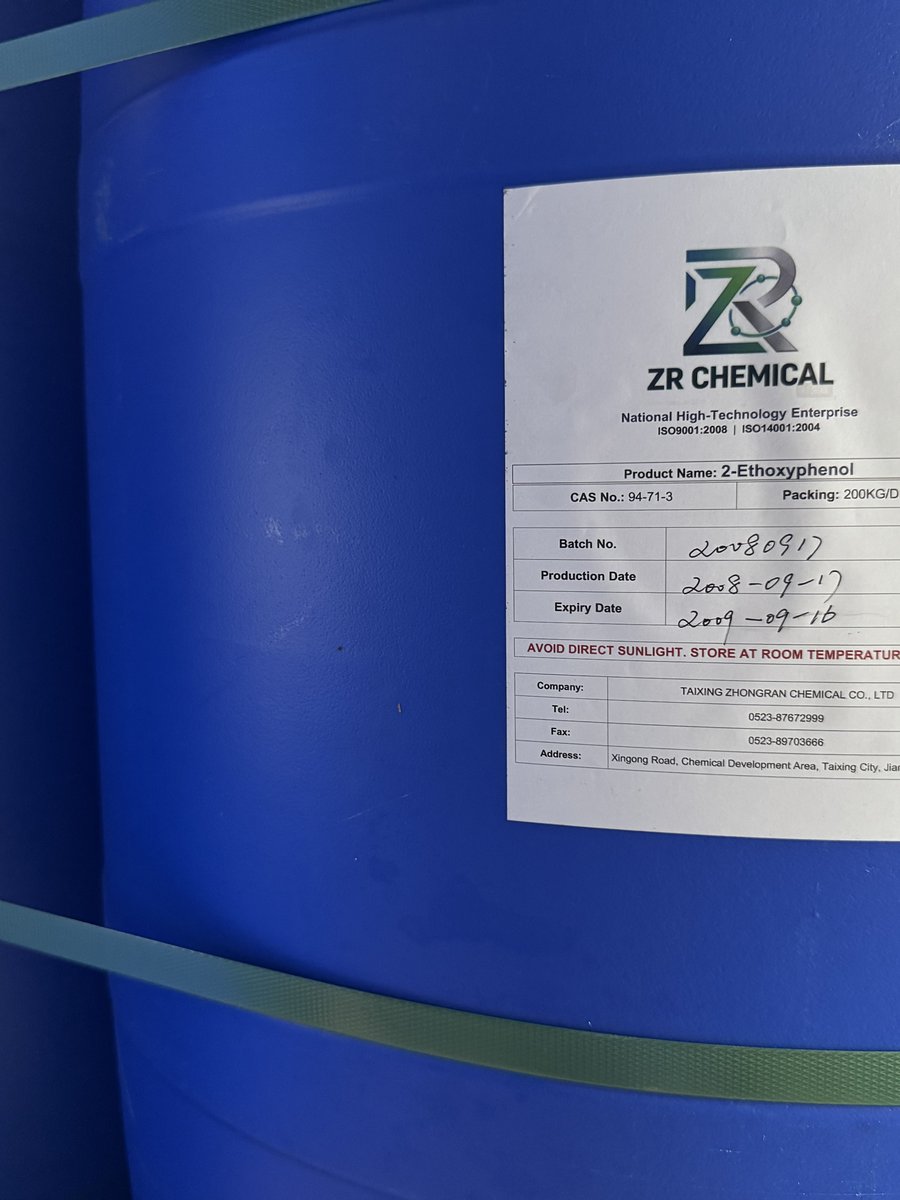 2-Ethoxyphenol as a Bifunctional Phenol-Ether IntermediateA ≥99.0% monoethyl catechol ether for flavors, fragrances, and pharmaceutical work, where its phenolic hydroxyl and ethoxy group support selective functionalization.View Product →
The largest share of demand sits in our pharmaceutical intermediates work. Here the compound mostly plays the role of a protected catechol: you alkylate, nitrate, halogenate or otherwise functionalize the ring while the hydroxyls stay masked, then cleave at the end of the sequence. It also appears as a fragment in its own right in medicinal chemistry campaigns, where the diethoxy pattern contributes to lipophilicity and to the shape of the binding pocket. Because the material is a liquid with good solubility, it transfers comfortably from gram screening batches to multi-kilo campaigns.
Aromatic ethers of this type are valued in flavour and fragrance development for the soft, sweet-woody character they can contribute, and more often as synthetic stepping stones toward more elaborate odorants. Our guaiacol line grew out of exactly this kind of work, so the chemistry is familiar territory for us.
Beyond those two pillars, the compound turns up as a precursor to substituted catechols and benzoquinones, as a substrate in ligand and dye-adjacent synthesis, and as a model compound in electrochemical and photochemical studies. It is rarely the star of a route, but it is frequently the piece that makes the route work.
None of this is exotic, but a few habits prevent most of the problems we hear about:
Any supplier can send a drum. What separates a reliable partner is the paperwork and the consistency behind it, and there are a few things worth insisting on before the first order:
This is how we have operated since 2001: four production sites in the Taixing Economic Development Zone, more than 2,000 tonnes of annual fine chemical capacity, and a documentation pack issued with every order rather than on request. You buy from the plant, so the price you see is the factory price, and the person answering your technical questions is the person who can walk down to the reactor.
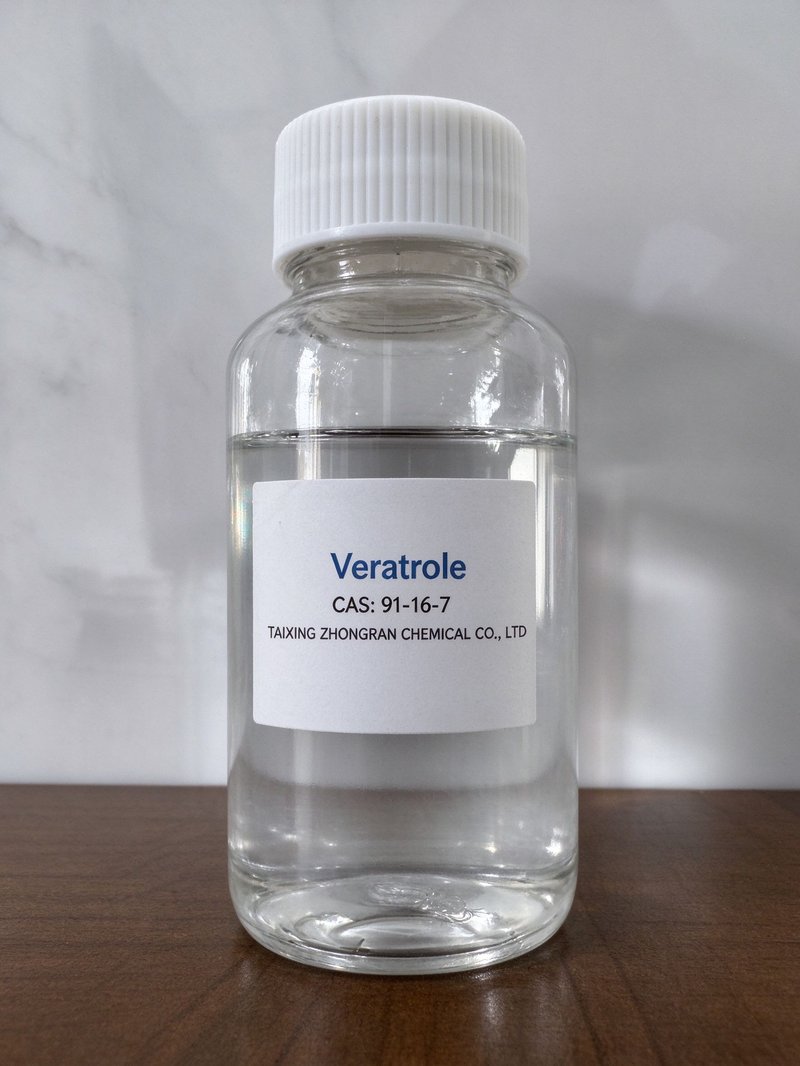 Veratrole (1,2-Dimethoxybenzene) Catechol Dimethyl EtherA ≥99% dimethyl catechol ether and stable organic-soluble intermediate, offered alongside the diethyl and monoethyl analogues for pharmaceutical and fragrance applications.View Product →
1,2-Diethoxybenzene will never be the most exciting line on a specification sheet. It is a workhorse: a stable, soluble, well-behaved way to carry a catechol through chemistry that would otherwise tear it apart. If that is what your route needs, we would be glad to talk through grades, impurity profiles and packaging — and if the dimethyl or monoethyl analogue turns out to be the better fit, we make those too.

jessica@zrtxchem.com
yufuli@zrtxchem.com
pengzhang@zrtxchem.com

+86-18013456125
+86-13951149388
+86-18252654234

Zhongran Foreign Trade Building, 68 Jiangping Middle Road, Taixing City, Jiangsu Province, China




 English
 Español
 日本語